🔎 1. What exactly is a magnetic track lighting system?
A magnetic track system consists of a powered metal track and light modules that attach via magnets. The magnets hold both mechanical and electrical contacts, so modules can be moved or swapped without tools.
⚡ 2. Why do most magnetic track systems use low voltage (e.g., 24 V or 48 V)?
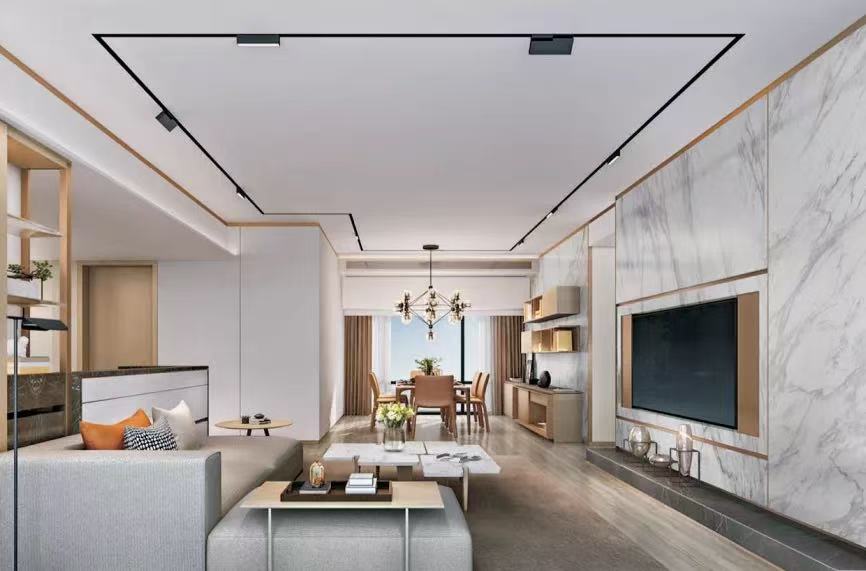
Magnetic track systems typically operate at low DC voltages like 24 V or 48 V for safety and electrical stability. Low voltage reduces the risk of shock and allows the track and modules to be manipulated safely.
🛠 3. How do magnetic electrical contacts maintain stable power?
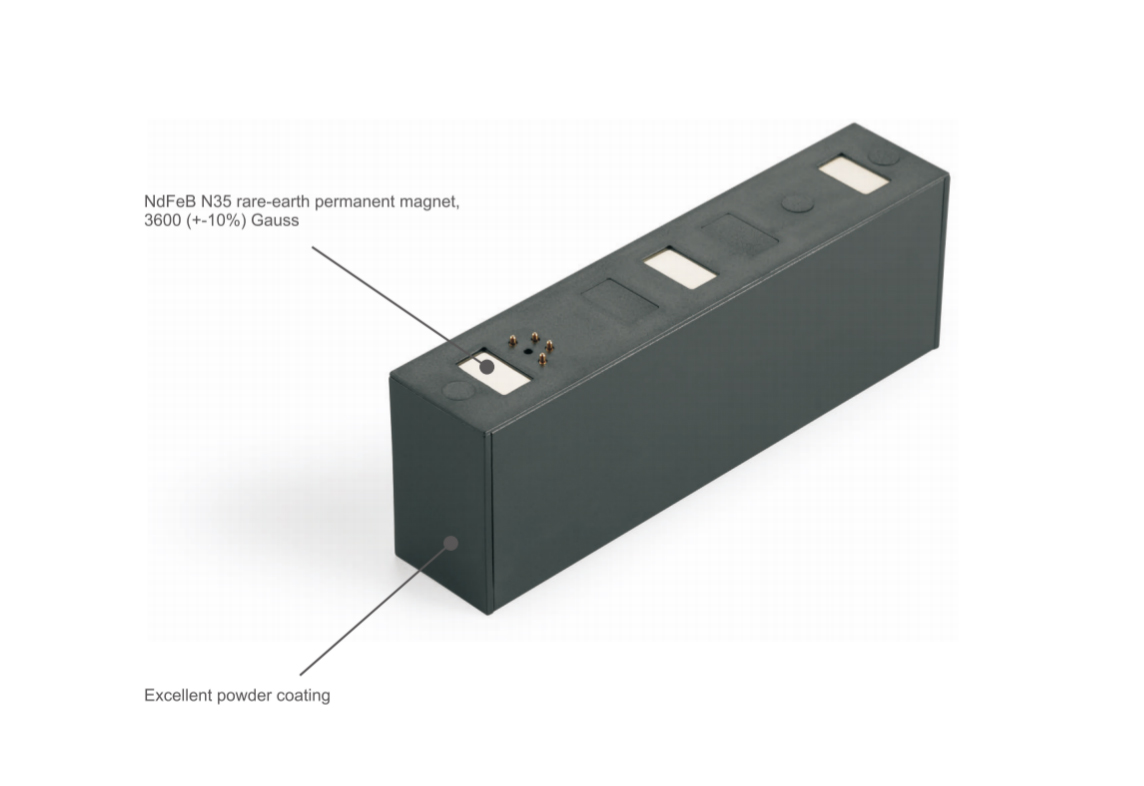
The track has embedded conductors, and each module has spring‑loaded magnetic contacts. When connected, the contacts press against the conductor bar providing power while allowing modules to slide with minimal resistance. The quality of contact materials and plating affects reliability over time.
🧠 4. Can magnetic track lights support dimming and smart controls?
Yes — many systems support dimming through DALI, 0‑10V, or Bluetooth/Wi‑Fi control. Advanced systems can integrate with smart home platforms like Google Home or Alexa, enabling scene control and scheduling.
💡 5. What are key optical parameters to consider?
When specifying lighting you should look at:
Beam angle (e.g., 15°–120° for spot to flood).
Color temperature (2700K warm to 5700K cool).
Color rendering index (CRI) — CRI≥90 is preferred for accurate color perception.
🌫 6. How does UGR (Unified Glare Rating) apply?
In commercial settings, low‑glare track heads are designed so UGR is minimized, improving visual comfort — especially in offices, galleries, and retail spaces. Optical design and reflectors are key to achieving UGR<10 or similar targets.
🧩 7. What are the common track materials and why do they matter?
Tracks are usually made of extruded aluminum because it provides structural strength and excellent heat dissipation. Some deep‑profile tracks reduce light spill and improve thermal performance.
🧯 8. Are magnetic track systems waterproof?
Standard magnetic tracks are IP20 rated, meaning they are indoor only and not moisture‑resistant. For damp areas (bathrooms, kitchens), systems with higher IP ratings (e.g., IP44+) are required.
Note: The standard IP20 rating applies to most low‑voltage magnetic track systems commonly used indoors.
🏗 9. Can magnetic track lighting be surface‑mounted, recessed, or suspended?
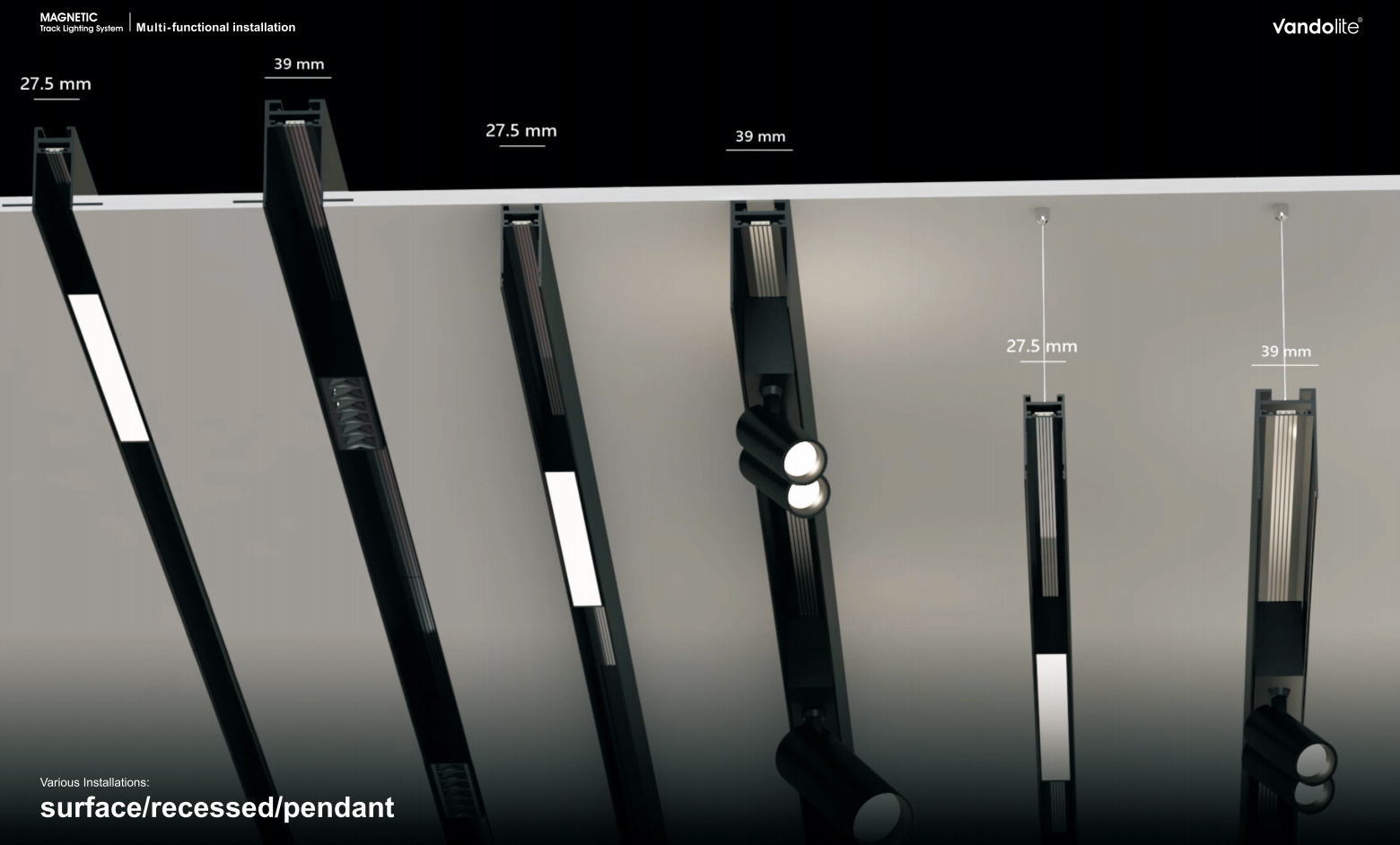
Yes. Most systems offer option kits for surface mounting, recessed installation, or suspended hanging, letting designers adapt lighting to architectural constraints without losing flexibility.
🔌 10. How is heat managed in magnetic LED modules?
LED modules often use heat sinks integrated into the housing. Efficient thermal management extends LED lifespan and maintains output stability. Aluminum housing and micro‑ribbed heatsinks are common methods.
📊 11. What electrical safety standards should I check?
For quality assurance and compliance, look for CE, RoHS, and for North America UL/ETL certifications. These indicate tested safety and performance standards.
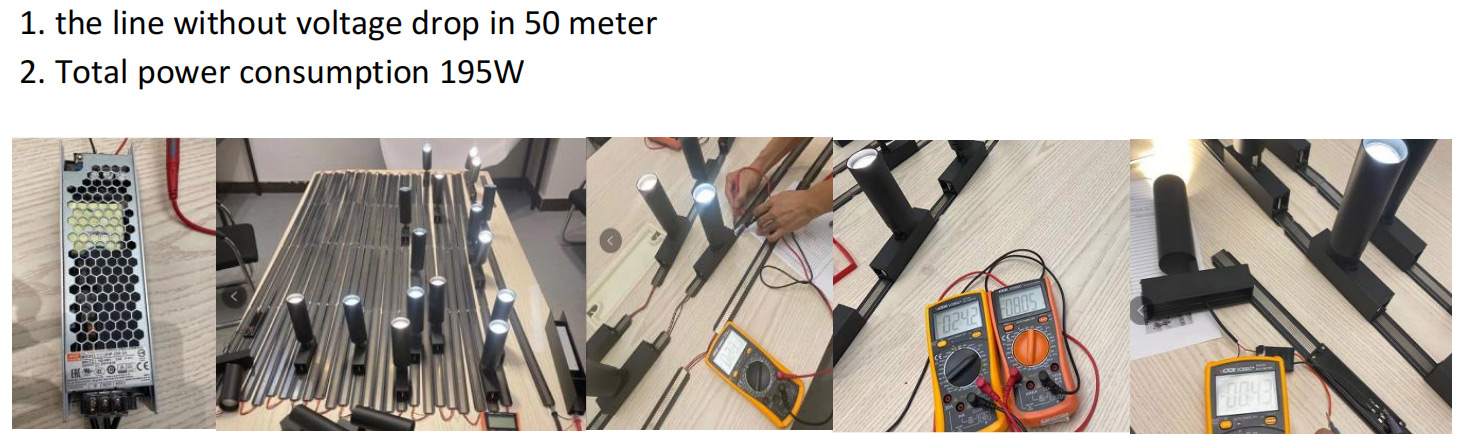
🌀 12. How does voltage drop affect long track runs?
In long track runs, voltage drop can reduce light performance at the far end. Careful planning of power feed points and track segments helps maintain consistent voltage. Designers often limit run length or add mid‑feed points.
Our company conducted voltage drop testing on the 24V magnetic track lighting system to verify stable power supply and avoid uneven brightness in long track runs.
🔗 13. Can magnetic tracks integrate with other lighting systems?
Yes — advanced systems can be designed to coexist with other lighting types. However, correct wiring, dimming protocols (e.g., DALI vs. 0‑10V), and power supplies need to be carefully coordinated.
📐 14. What influences the lifetime and reliability of magnetic track lighting?
Factors include LED quality, driver design, heat dissipation efficiency, contact reliability, and installation environment. High‑quality components and proper heat management significantly extend useful life.
🧩 15. How do I choose the right system for a space?
Start with these:
Room function (accent, task, ambient lighting).
Required beam angles and color temperature.
Control needs (dimming, smart control).
Safety and compliance ratings.
Whether moisture‑resistance or environmental ratings are required.

 IPv6 network supported